Money in the Bank cash-in rules: what the briefcase actually buys
The ladder match wins a contract. Cashing it in starts a separate title opportunity, whose result still has to be decided in the ring.
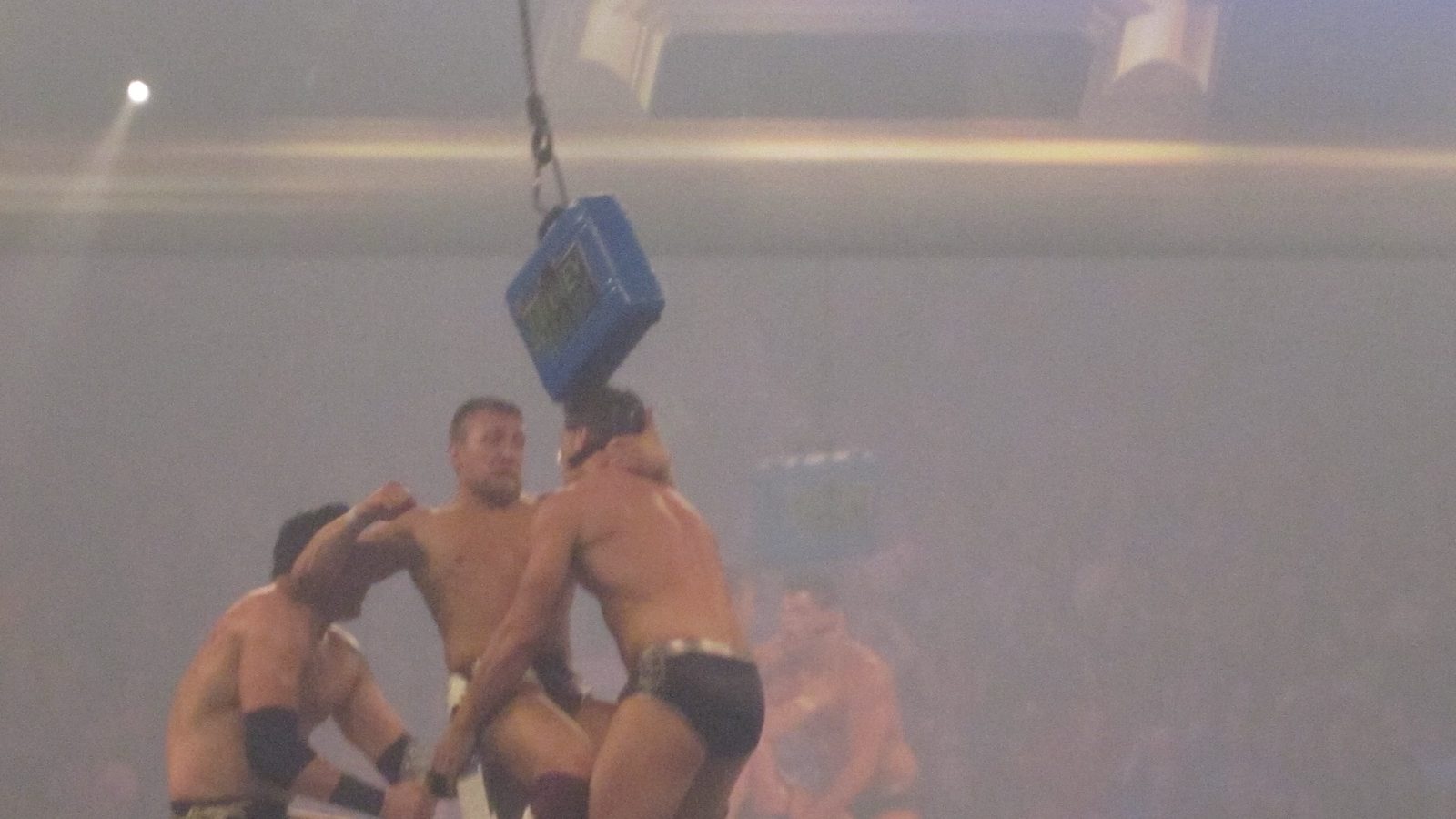
The Money in the Bank briefcase represents a championship-match opportunity, not a championship already won. The holder chooses when to attempt the cash-in within the contract's stated window, and the opportunity has to become an officially recognised match. Carrying the briefcase to ringside alone does not explain whether a cash-in has started or finished.
WWE storylines can add specific conditions or exceptions, so the title being targeted and any restrictions should be checked against the current announcement. A historical prop contract helps explain the format, but it should not be presented as the full current contract for every holder.
Three stages that are easy to confuse
| Stage | What has been won or used | What remains |
|---|---|---|
| Ladder-match victory | The contract opportunity | A championship match still has to happen |
| Accepted cash-in | The opportunity is being exercised | The title match needs a result |
| Successful title result | The holder wins the championship | The reign begins under that match's decision |
This separation is the most useful way to read a finish. A wrestler can win the ladder match and later lose the title opportunity. A tense scene where an official has not accepted the request yet should be described separately from a completed title-match loss.
How long does the holder have?
The familiar Money in the Bank contract window is one year. WWE's published historical contract states that term, and its 2019 Brock Lesnar storyline explicitly referred to the one-year clause. For a particular holder, use the announced deadline and any later change rather than calculating an expiry from a remembered event month.
The delay is part of the format. The holder can remain a threat while the champion wrestles other opponents, recovers from an attack or celebrates a win. The contract creates an opportunity to select a moment; it does not remove the need for an official contest.
What the referee contributes
The official has to recognise the request and the match situation. WWE's historical contract describes delivery to a licensed official as notification of redemption. On screen, the distinction between handing over the briefcase, an official accepting the request and the bell is important when explaining a disputed attempt.
A recap should record those visible stages in order. If an attack interrupts the scene before the match is accepted, calling it a failed championship match may misdescribe what the audience saw. If the match does begin and the holder loses, that is a different outcome with a result attached.
Can someone cash in during a match?
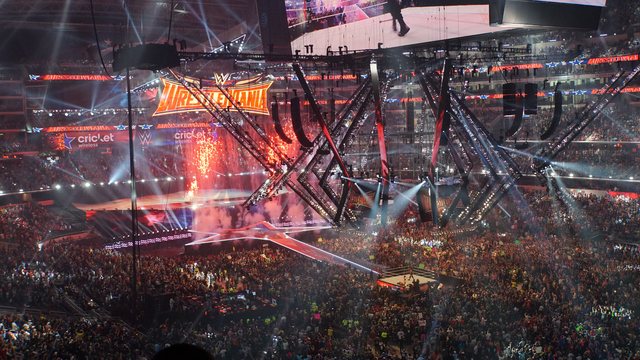
Seth Rollins at WrestleMania 31 is the clear historical example. Brock Lesnar was defending against Roman Reigns when Rollins cashed in, turning the contest into a Triple Threat Match. Rollins won the championship by pinning Reigns, so the defending champion did not have to take the fall.
That example explains why a cash-in can change the structure of a match already underway. It should not be treated as a guarantee that every holder can reproduce every part of that scene under every later stipulation. The accepted match and the announced conditions govern the immediate result.
The WrestleMania main-event guide places the moment in the wider history of the event. The ladder-match collection covers the earlier contest that earns the opportunity.
Why a cash-in can fail
The title is still contested after a cash-in is accepted. A holder may be beaten, interrupted under the match's rules or caught by an opponent who is less vulnerable than expected. The briefcase changes access to the opportunity; it does not predetermine the winner.
A historical list should therefore distinguish a lost title match from an unaccepted attempt, a transfer or a storyline cancellation. Treating all of them as the same kind of failed cash-in produces misleading totals. State which definition a list uses before comparing holders.
Common questions
Is the ladder-match winner automatically champion?
No. The winner obtains the title opportunity. The championship has to be won in the resulting match.
Can a cash-in happen at WrestleMania?
Yes. Rollins used his contract during the main event at WrestleMania 31. That is a documented example, not a prediction for a future event.
Does being attacked always use up the contract?
No general answer follows from the attack alone. Establish whether the official accepted the cash-in and whether a match began. For new developments, check the individual result in the WWE coverage.